The Association
APEnP was created to give a voice, training and support to those who teach in Portuguese prisons, and to affirm education as a right for everyone, including people deprived of their liberty.
A word from the President
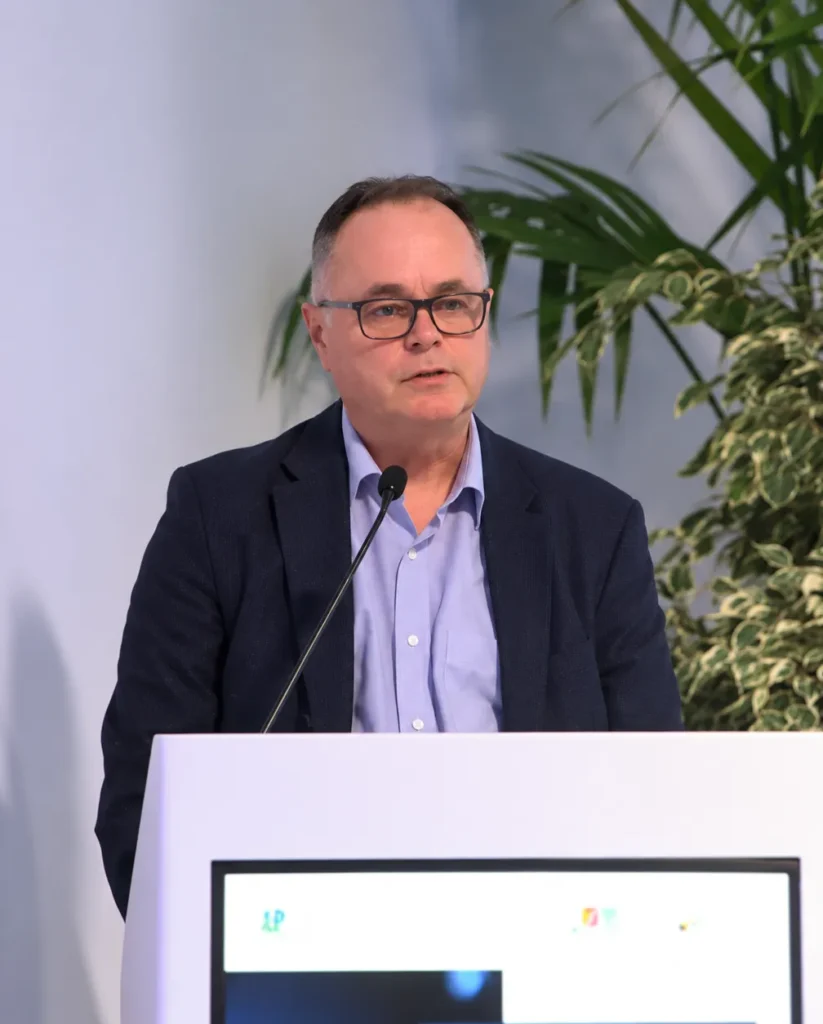
President of the APEnP Board
The President of APEnP addresses everyone interested in prison education (teachers and trainers, but also researchers, practitioners and citizens) and recalls the four-decade journey that brought school to every prison in the country.
More than 40 years of history
1979
Prison education moves from the Ministry of Justice to the Ministry of Education, starting with basic education (Joint Order no. 211/MJ/ME/79).
1983
Provision expands to secondary education (Joint Order no. 112/MJ/ME/83).
1998
Higher education reaches prisons through a protocol between the then Prison Services Directorate (DGSP) and Universidade Aberta.
2018
On 17 November APEnP is founded, bringing together prison education professionals.
Today, education in Portuguese prisons is diverse and includes both schooling and vocational training, with Adult Education and Training courses playing a leading role.
Our work
As an affiliated member of the European Prison Education Association (EPEA), we work in a decentralised way: we are present in all four regions and make the most of the resources available to carry out our action plan.
01
We organise conferences and continuing professional development for teachers and trainers, accredited by Portugal’s Scientific-Pedagogical Council for Continuing Training.
02
We take part in research projects and produce teaching materials, support tools and scientific articles.
03
We give visibility to the work of our members and of the schools that teach in prisons.
04
We are the collective voice of prison education before national and international bodies.

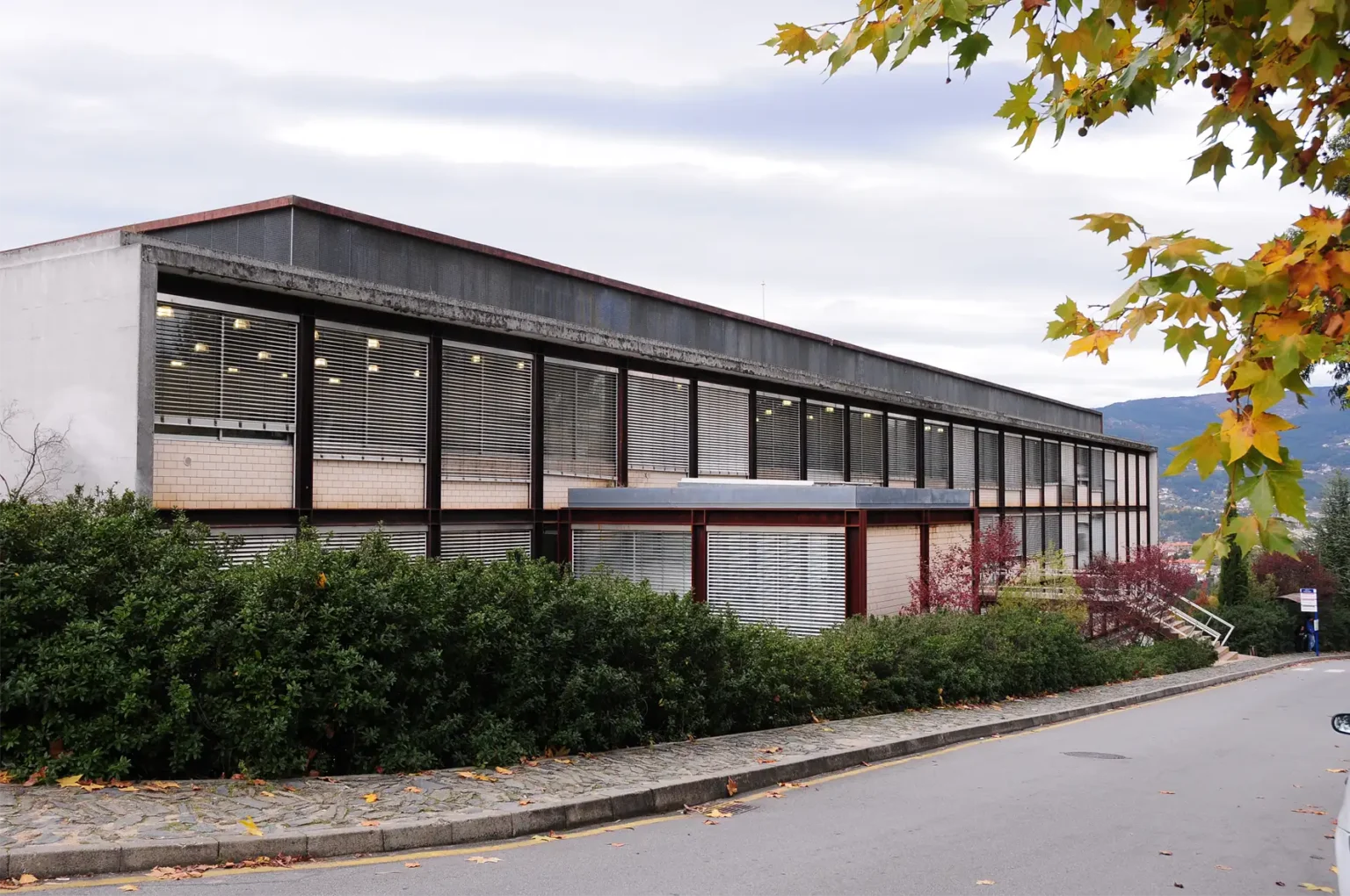
APEnP’s head office is at the Department of Education and Psychology of the University of Trás-os-Montes and Alto Douro, which recognises the association’s work in educating and training people in prison and supporting their return to society and the labour market.
We build bridges between schools, universities and public and private bodies, supporting the personal, professional and organisational development of those who teach in prisons.
Documents
Gives the Ministry of Education responsibility for teaching in basic and secondary education in prisons.
Code on the Enforcement of Sentences and Custodial Measures.
General Regulations for Prisons.
Amends the legal framework for Adult Education and Training (EFA) courses and modular training.
In partnership with